The landscape of healthcare is rapidly evolving, and few specialties reflect both the clinical complexity and urgency of innovation like wound care. With rising rates of chronic wounds driven by diabetes, vascular disease, and an aging population, wound care is no longer a niche discipline—it’s essential to modern medicine. At the forefront of this evolution is the American Board of Wound Medicine and Surgery (ABWMS), an organization dedicated to promoting Wound Care Certification that sets the gold standard for clinical expertise and patient outcomes.
In this blog, we’ll explore why wound care certification isn’t just a professional milestone—it will define clinical excellence in the future of healthcare.
1. Wound Care Is Becoming a Highly Specialized Field
Healing a wound is far more complex than applying dressings. Today’s wound care clinicians must master an advanced understanding of:
- Tissue viability and wound pathology
- Infection control and vascular assessment
- Nutrition, pressure redistribution, and comorbidity management
- Emerging technologies like negative pressure therapy and biologic products
These clinical demands are increasing due to demographic shifts and greater expectations for outcomes. As a result, general clinical training alone is no longer sufficient—specialized certification is becoming necessary to ensure practitioners are well-equipped for these challenges.
2. Certification Standardizes Excellence Across Providers
The American Board of Wound Medicine and Surgery offers a rigorous wound care certification process for physicians that validates advanced competency in wound medicine and surgery. Clinicians must demonstrate appropriate experience, specialized knowledge, and the ability to manage complex wound cases to earn this credential.
This structured, standardized credential ensures that certified professionals:
- Meet a defined threshold of clinical knowledge.
- Follow evidence-based best practices.
- Are prepared to lead interdisciplinary teams
In an era of expanding clinical complexity, certification becomes a benchmark of excellence rather than an optional add-on.
3. Certification Enhances Patient Outcomes and Safety
Certified wound care specialists are uniquely positioned to improve patient outcomes. Advanced training and validated skills contribute to:
- More precise wound assessment and diagnosis
- Evidence-based treatment planning
- Reduced infection and complication rates
- Shorter healing times and fewer readmissions
Healthcare systems increasingly demand measurable outcomes, and certified clinicians are better positioned to deliver them consistently. As wound care continues to grow in clinical importance, certification signals to patients and organizations alike that a provider is committed to the highest standard of care.
4. Technology and Innovation Drive the Need for Specialized Expertise
Wound care is not immune to technological disruption. Innovations like advanced digital wound assessment, biologics, and smart therapies are reshaping clinical practice. These technologies only fulfill their potential when guided by clinicians with the knowledge and judgment to interpret data and select appropriate interventions.
Certification ensures clinicians are prepared to integrate new tools safely and effectively into practice—a key component of future-ready wound care.
5. Healthcare Systems Will Prioritize Certified Clinicians
As demand for specialized wound care grows, hospitals and health networks are increasingly prioritizing certified professionals to lead programs and improve institutional performance. Certified clinicians offer:
- Leadership in wound care service lines
- Enhanced program development and quality assurance
- Mentorship and education for multidisciplinary teams
This trend is deeply tied to the broader shift in healthcare toward specialization and value-based care models where expertise directly correlates with institutional success.
6. Certification Fosters Lifelong Learning and Recertification
The future of medicine emphasizes continuous learning—not just static credentials. ABWMS supports ongoing professional development through maintenance of certification programs that include continuing medical education and periodic assessments.
This approach ensures that certified clinicians remain current with evolving standards, emerging treatments, and best practices—cementing the role of certification as a living, career-long commitment to excellence.
7. Meeting Future Healthcare Demands
Health systems worldwide face mounting pressures:
- Increasing chronic disease prevalence
- Rising healthcare costs
- Patient expectations for higher-quality care
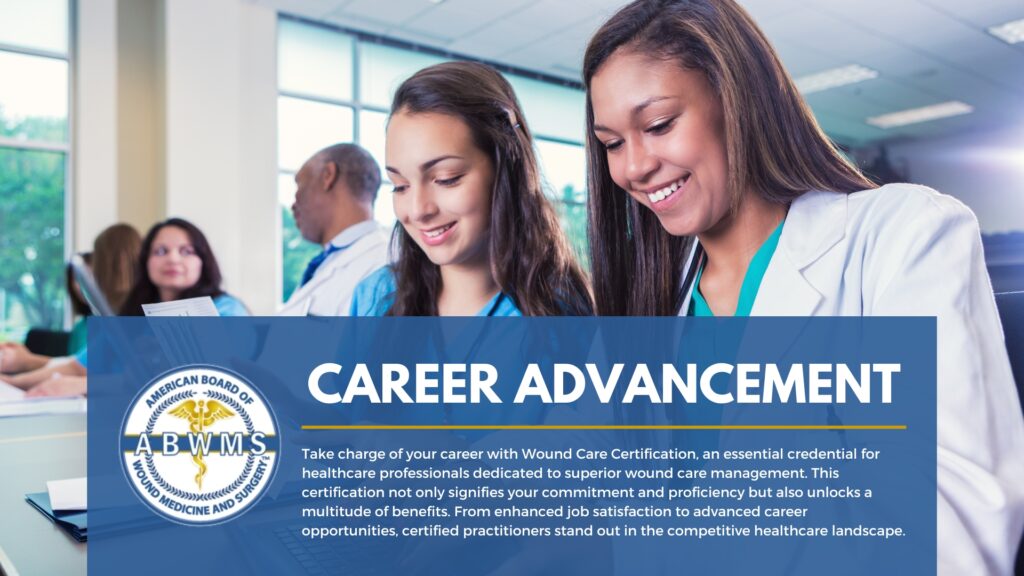
Integrating certified wound care specialists into care teams represents a strategic response to these challenges. Certification not only improves outcomes but also aligns with health systems’ goals to enhance efficiency and reduce long-term costs.
Conclusion
Wound care is at a transformative juncture. Demographic trends, clinical complexity, rapid innovation, and system-wide performance expectations are redefining caregiving in this specialty. In this new landscape, Wound Care Certification—particularly from a respected authority like the American Board of Wound Medicine and Surgery—is not just a professional advantage; it’s poised to become the defining standard of clinical excellence for the future of wound care.
For healthcare professionals committed to delivering outstanding care, improving patient outcomes, and leading the advancement of wound medicine and surgery, pursuing certification today is an investment in tomorrow’s healthcare landscape.